

There is a moment late on Christmas Eve that nobody photographs. The living room floor is scattered with discarded tape backing and ribbon clippings, the dishwasher is humming through its final cycle, and the last bedroom door upstairs has softly clicked shut. For weeks, you have carried the invisible emotional weight of December: tracking gift deliveries, orchestrating family meals, managing holiday expectations, and keeping everyone else’s winter warm.
Now the house is completely quiet. The ceiling fixtures are switched off, and the only illumination left in the room comes from the amber glow of the tree lights reflecting across dark floorboards.
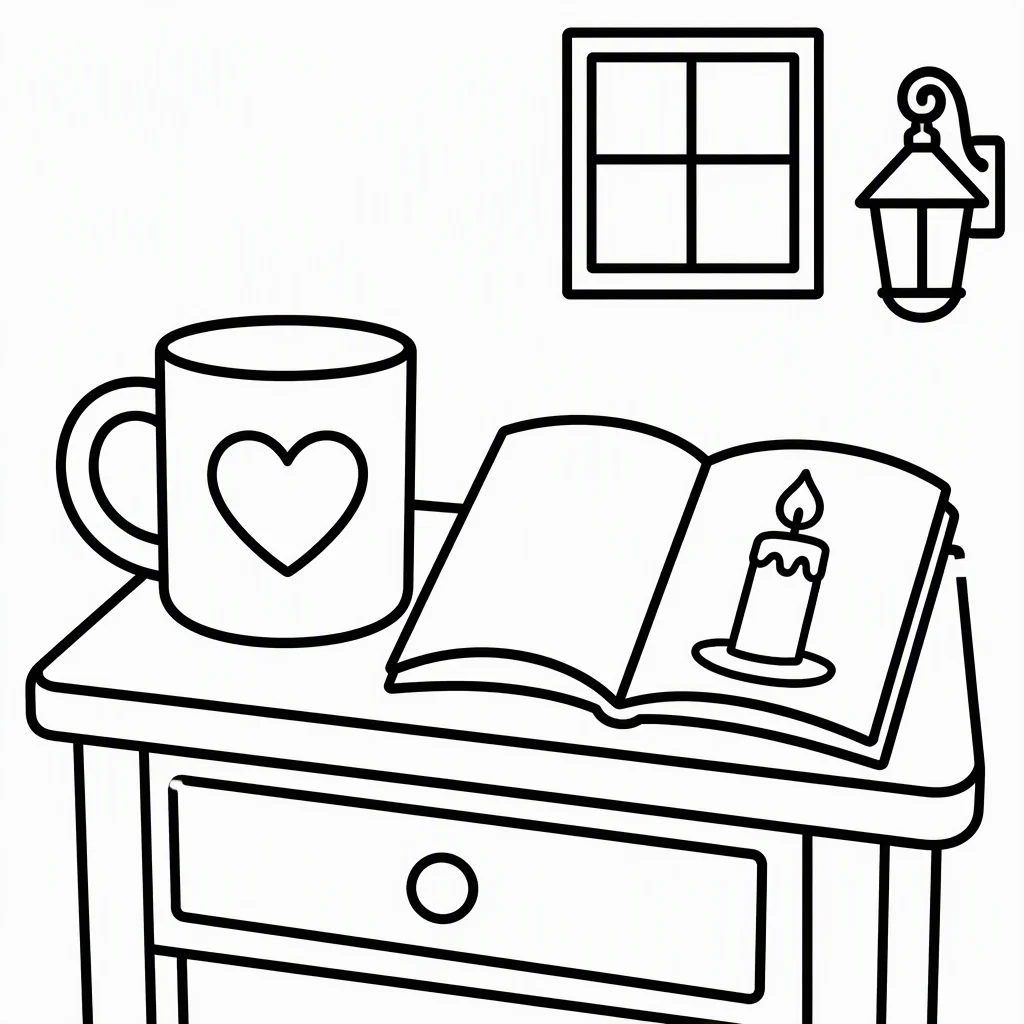
For years, exhausted adults have simply collapsed into bed at this hour, their nervous systems still vibrating from weeks of relentless adrenaline. But a growing number of quiet seekers are choosing a different closing note: the christmas eve quiet ritual. It is not another holiday task to check off. It is twenty to thirty unhurried minutes where nobody needs anything from you, the world outside is frozen, and you sit beneath soft light to breathe, color, and reclaim yourself before morning arrives.
The Weight of Being the Holiday Anchor
The holidays are often described as joyful, but for whoever manages the domestic logistics, December can feel like operating a theater production where you are simultaneously stage manager, caterer, and director. By the time Christmas Eve arrives, your mental bandwidth is entirely depleted.
Psychologists describe this state as "holiday burnout" — a combination of sensory overload, decision fatigue, and prolonged social performance. When you spend weeks anticipating what others need, your brain stays locked in hyper-vigilance.
An unhurried christmas eve quiet ritual provides a crucial psychological transition. It creates a physical and temporal boundary between the exhausting labor of preparation and the actual celebration of Christmas Day. Without this deliberate pause, the holiday simply rushes past in a blur of fatigue. By reserving this quiet hour for yourself, you signal to your body that the work of December is finished, and the rest is allowed to begin.
The Post-Wrapping Boundary: Declaring the Logistics Finished
The most difficult part of Christmas Eve is not the wrapping or the baking; it is deciding when to stop. There is always one more bow that could be tied, one more email that could be sent, or one more casserole dish that could be prepped for breakfast.
To make your christmas eve quiet ritual possible, you must establish what boundary coaches call the "Good Enough Line."
Pick an exact moment — whether it is 10:30 PM or the minute the final gift is under the tree — to declare the workshop officially closed:
- Throw Away the Scraps: Sweep the leftover wrapping paper, scissors, and ribbons into a single box or trash bag and slide it into a closet. Visual clutter maintains cognitive tension.
- Turn Off Kitchen and Overhead Lights: Bright overhead lights tell the brain that work is ongoing. Turn them off completely and do not turn them back on until morning.
- Mute Your Phone: Set your notifications to silent and leave the device on the kitchen counter or in another room. The digital world does not belong in your midnight sanctuary.
Once this physical transition is complete, the logistics of Christmas are officially over. Whatever is done is done, and whatever was forgotten will wait for another year.
The Physiology of Quiet Light: Why Tree Lights and Candles Soothe the Brain
Sitting in near-darkness with a single low light source is not just aesthetic; it has measurable neurological benefits. In sleep hygiene guidance published by the Sleep Foundation, researchers explain that a structured, low-stimulation bedtime routine reduces autonomic nervous system arousal, allowing melatonin to rise and preparing the body for genuine restorative rest.
Bright indoor lighting and digital screens suppress melatonin and keep the brain in daylight-survival mode. In contrast, the warm, low-kelvin glow of holiday string lights or a single candle operates on the nervous system like an exhale.
This gentle lighting philosophy is central to Scandinavian winter well-being, as explored in The Hygge Candle Hour Ritual. The golden glow narrows your visual field, hiding the messy corners of the room and creating an intimate circle of calm. Beneath that soft amber pool, your eyes relax, your pulse slows, and the frantic pace of the preceding week begins to dissolve.
The 20-Minute Protocol: One Page, Three Colors, Zero Expectations
When you sit down for your christmas eve quiet ritual, the goal is not to produce fine art or embark on a complicated creative project. You are exhausted; your mind does not have the capacity for creative decisions.
Here is the low-friction framework that makes midnight coloring effortless:
1. Choose Bold, Forgiving Outlines
Stay far away from intricate geometric mandalas or microscopic patterns that require intense concentration and fine-point pens. Instead, choose Bold & Easy line art featuring thick 1.2pt outlines. Simple shapes — a steaming mug, a snow-covered cottage roof, a warm wool mitten, or a quiet armchair — give your eyes an easy place to rest without causing strain.
2. Limit Your Palette to Three Colors
Open a box of sixty markers, and decision paralysis strikes immediately. For Christmas Eve, pre-select just three or four tones before you sit down:
- A deep forest green
- A warm cranberry or brick red
- A soft honey amber or muted cream
With only three colors on the table, you never have to think about what comes next. You simply pick up a marker and fill in flat, uncomplicated spaces.
3. Emphasize Rhythm Over Perfection
Coloring works because of its rhythmic, repetitive tactile motion. The physical glide of a smooth marker over paper provides sensory grounding, drawing your awareness out of anxious mental planning and anchoring it in your hands. If a color bleeds slightly outside a thick line, it does not matter. The page is for your peace, not for display.
If you crave structured evening practices that ease work-related mental noise without demanding complex setups, the printable pages in the After-Work (Printable PDF) collection provide twenty-five minimalist sanctuary scenes designed specifically for post-shift recovery.
Sensory Anchors for Christmas Eve Midnight
To deepen the grounding effect of your quiet hour, layer in two or three gentle sensory cues that contrast with the loud holiday music and rich foods of the evening:
- A Warm, Caffeine-Free Drink: Brew a cup of chamomile tea with a touch of honey, warm milk with nutmeg, or a simple hot cider. Hold the warm ceramic mug with both hands for a full minute before taking your first sip. That direct warmth in the palms activates peripheral circulation and signals safety to the amygdala.
- Silence or Low-Frequency Sound: After hours of loud holiday chatter and television specials, absolute silence can feel divine. If silence feels too ringing or lonely, play soft acoustic guitar or a gentle rain-and-fireplace soundscape. Avoid any music with lyrics.
- A Weighted Blanket on Your Lap: The gentle pressure of a heavy wool blanket over your knees provides proprioceptive grounding, making your body feel securely anchored to the chair.
For adults who struggle to build sustainable creative habits during unpredictable seasons, The 30-Day Coloring Challenge outlines how micro-commitments protect your creative time without triggering perfectionism.
Three Low-Pressure Rules for the Quiet Hour
To protect your midnight pause from becoming another item on your holiday chore list, preserve these three simple rules:
Rule 1: No Photography
Do not snap a picture of your colored page to post on Instagram or send to a family group chat. The moment you consider sharing your activity, your brain shifts from self-care to social performance. This hour belongs only to you and the room.
Rule 2: Ten Minutes Is Enough
If your eyelids feel heavy after ten minutes, put the pen down and go to sleep. You do not need to color an entire page. Even shading half of a teacup or filling in a single pine bough is enough to reset your breathing.
Rule 3: Forgive the Unfinished
If the gifts look unevenly wrapped or the gingerbread house collapsed hours ago, let them stay that way. The magic of Christmas Eve does not depend on mechanical perfection. It lives in your ability to be present, rested, and gentle with yourself when Christmas morning breaks.
Frequently Asked Questions
What is a Christmas Eve quiet ritual?
A christmas eve quiet ritual is a dedicated, screen-free wind-down period of 20 to 30 minutes late on Christmas Eve, practiced after all preparations, gift wrapping, and hosting duties are completed. It typically combines soft lighting (such as tree lights or candles), a warm herbal drink, and a low-pressure tactile activity like Bold & Easy adult coloring to help exhausted adults transition into restorative sleep.
Why is Christmas Eve so stressful for many adults?
Christmas Eve carries immense emotional and logistical expectations. Adults often face days of cooking, travel, shopping, financial pressure, and hosting duties, leading to chronic nervous system arousal and decision fatigue. Without a deliberate pause to decompress, holiday fatigue often overshadows Christmas Day.
What kind of coloring is best for late-night relaxation?
Bold & Easy style coloring books with thick outlines (1.2pt to 12pt) and large, uncomplicated shapes are ideal for late-night sessions. Unlike intricate detailed mandalas, bold line art does not require intense concentration, color planning, or eye strain, making it deeply soothing in low or amber lighting.
What if I don't celebrate Christmas?
The core ritual applies equally to any high-stress winter milestone or holiday eve. Taking 20 minutes late in the evening to turn off overhead lights, silence your phone, and color in soft illumination is a universal restorative practice for anyone experiencing seasonal winter burnout.
A Gentle Closing Note: Giving the Night Back to Yourself
Tomorrow, the wrapping paper will tear, the house will fill with laughter, voices, and clattering plates, and the joyous commotion of Christmas will sweep through the rooms. That commotion is wonderful, but it demands your presence and your energy.
Tonight, the quiet belongs to you.
Turn off the overhead lamp. Strike a match or leave the tree lights glowing. Pick up a single marker, open your book to a simple, welcoming page, and let the rest of the world wait until sunrise. You have built this holiday with your hands and your care; now, let your christmas eve quiet ritual give the evening back to you.