

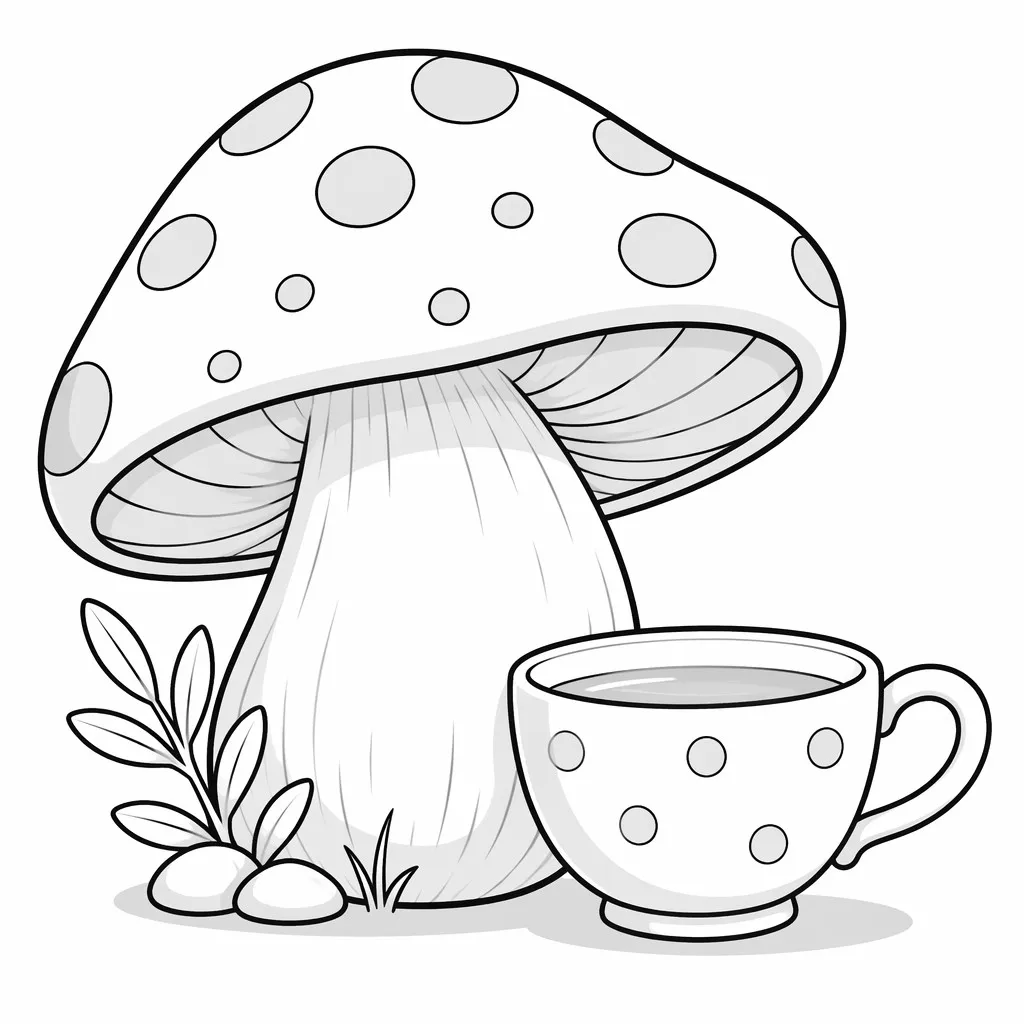
The Hidden Benefits of Grayscale Coloring for Adults: Why Shading is the Ultimate Stress Relief
For many years, the world of adult coloring was dominated by crisp black-and-white line art. We were taught to "stay inside the lines" and hunt for the perfect color combinations. But in 2026, a more atmospheric and forgiving style is taking over the sanctuary: Grayscale Coloring.
If you’ve ever looked at a grayscale coloring page and felt a bit intimidated, you aren't alone. Unlike traditional line art, grayscale pages include pre-rendered shadows and highlights, often resembling an old black-and-white photograph. At CozyColor Sanctuary, we’ve integrated grayscale designs into our "Bold & Easy" collections for a very specific reason: the unique Benefits of Grayscale Coloring for Adults.
In this guide, we’ll explore why this method is scientifically superior for stress relief and how it can help even the most "non-artistic" souls create professional-looking masterpieces.
What is Grayscale Coloring?
In its simplest form, grayscale coloring is the act of applying color over a black-and-white image that already has depth, shading, and texture. Instead of just "filling in a white space," you are layering your colors over existing values. The darker areas of the image become your shadows, and the lighter areas become your highlights.
Top 3 Benefits of Grayscale Coloring for Adults
1. Eliminating "Shading Stress"
For many hobbyists, the most stressful part of coloring isn't choosing the color—it’s knowing where the shadows should go. Where is the light source? Why does my vase look flat?
One of the primary Benefits of Grayscale Coloring for Adults is that the shading is already done for you. You don't have to be a classically trained artist to understand light and shadow. You simply choose a color, apply it, and the pre-existing gray tones do the heavy lifting. The result is a finished piece with professional depth and dimension that looks like it took hours of study to achieve.
2. Deepening the "Flow State"
Because grayscale removes the technical worry of shading, it allows your brain to sink much deeper into the "Flow State." For the Neurospicy and ADHD community, this is crucial. When the technical barrier is lowered, the repetitive, tactile motion of coloring becomes a pure sensory experience. Your heart rate slows, your cortisol levels drop, and your mind finally finds the "Quiet Center."
3. Enhancing Color Realism
Grayscale coloring allows you to experiment with how colors interact with light. Even a single marker stroke can look like three different shades depending on whether it's applied over a light gray or a dark charcoal area. This leads to a rich, luminous quality that is difficult to replicate with traditional line art without years of practice.
How to Get Started with Grayscale Coloring
Ready to experience these benefits? Here are three tips for your first grayscale session:
Tip 1: Use Semi-Transparent Mediums
Alcohol-based markers are perfect for grayscale. Because the ink is slightly transparent, the shadows of the grayscale image will show through the color, instantly creating a shaded look. Watercolor pencils and soft pastels also work beautifully.
Tip 2: Start with One Color
To truly appreciate the depth of grayscale, try coloring an entire page in shades of a single color (monochrome). Watch how the pre-rendered shadows turn your single marker into an entire palette of light and dark values.
Tip 3: Print on High-Quality Paper
Since grayscale coloring often involves layering, the quality of your paper matters. If you are using our [Digital Coloring Books](https://cozycolorsanctuary.com/collections/shop-all-sanctuary), we recommend printing on heavy cardstock (65lb/176gsm or higher) to ensure your markers don't warp the page.