

The 15-Minute Sensory Reset: Professional Techniques for ADHD and Overwhelmed Minds
In a world that operates at the speed of fiber-optic cables, our nervous systems were never designed to be "always on." For many adults—especially the Neurospicy community—sensory overload isn't just a phrase; it's a physical reality. When your brain has 47 tabs open and your environment feels too loud, too bright, or too fast, you don't need a vacation. You need a manual "reset button."
This is why 15-minute sensory reset techniques have moved from the fringe of art therapy into the mainstream of workplace wellness. At Cozycolor Sanctuary, we specialize in the science of calm. In this comprehensive guide, we will explore the neurological foundations of sensory grounding and show you how to master the "Attention Anchor" ritual to reclaim your focus.
Why 15 Minutes is the "Goldilocks Zone" for Resetting
Why not 5 minutes? Why not an hour? For a neurodivergent brain, duration matters. A 5-minute break often feels like an interruption, while an hour-long meditation can trigger "avoidance anxiety" because the commitment feels too large.
Research into ADHD concentration suggests that 15 to 20 minutes is the physiological "sweet spot." It is long enough for the amygdala (the brain's emotional smoke detector) to downregulate cortisol, but short enough to fit into a busy workday or a chaotic evening transition.
The Pillars of a Successful Sensory Reset
A true reset must engage multiple sensory channels with predictable, low-stakes input. Most 15-minute sensory reset techniques fail because they are too passive. Staring at a wall or "just breathing" often allows internal racing thoughts to take over.
1. Visual Safety: The Role of "Bold & Easy" Lines
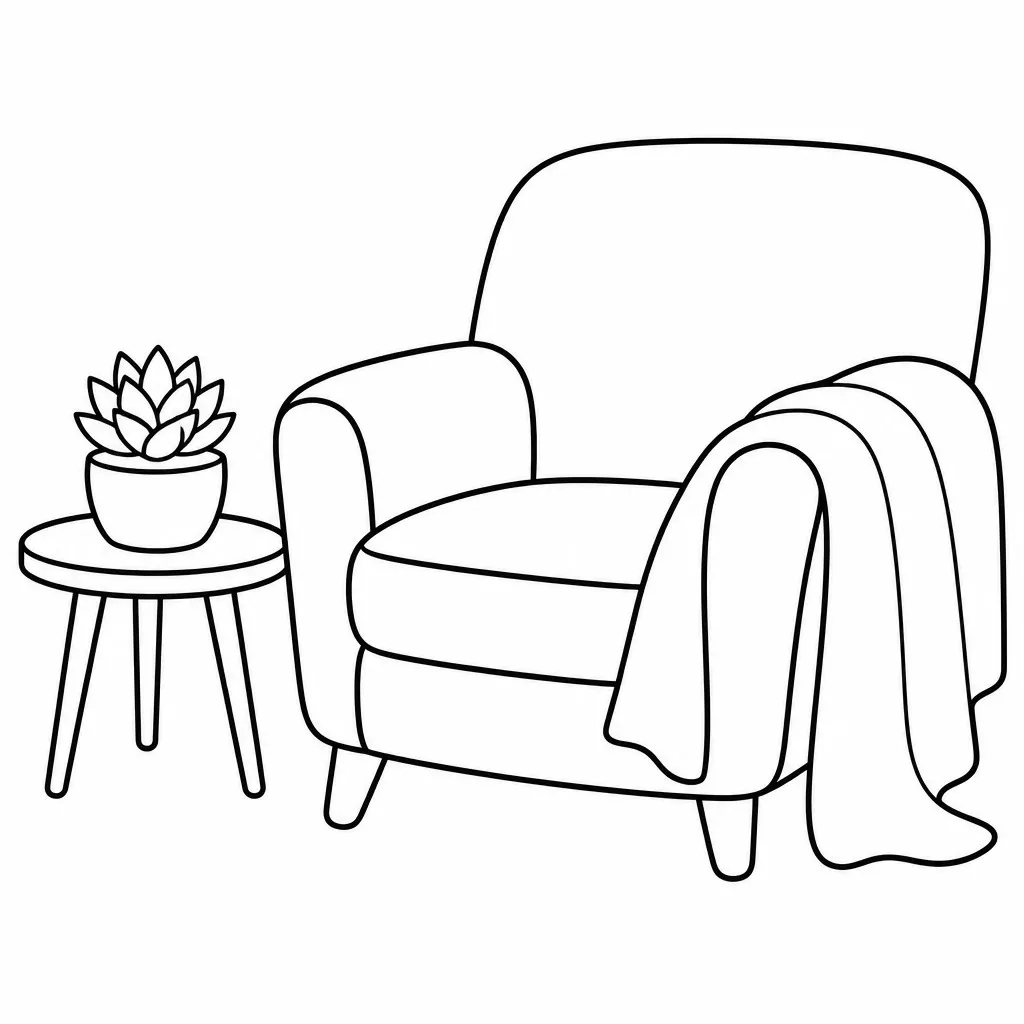
Traditional adult coloring books are often filled with microscopic details and thin, complex lines. For a stressed brain, these can trigger "perfectionism paralysis." Our signature Bold & Easy standard features 1.2pt thick black outlines. These act as a visual "safety net," reducing the cognitive load of precision and allowing you to enter a state of flow within minutes.2. Auditory Masking with Cozycolor Ambient
Silence can be a distraction for an ADHD mind. Cozycolor Ambient soundscapes provide a constant, low-frequency "hug" for your nervous system. By pairing tactile coloring with ambient sounds like a crackling fireplace or falling rain, you create a "focus bubble" that blocks out the noise of the external world.Master the "Attention Anchor" Ritual
To perform an effective 15-minute sensory reset, follow this 3-step protocol:
Step 1: Lighting the Sanctuary
Switch off the harsh overhead blue lights. Use a warm desk lamp or a salt lamp. This physiological cue tells your body that the "performance mode" of the day is over.Step 2: The "Digital Fast" Transition
Put your smartphone in another room. The "blue light" dopamine from a screen is "cheap dopamine"—it drains your battery. The "analog" dopamine from seeing a bold shape fill with color is "deep dopamine"—it restores you.Step 3: Tactile Grounding (The Line-Follower Method)
Choose a page with large, simple shapes. Don't look at the whole page. Pick one corner and focus entirely on the physical sensation of the marker meeting the paper—the rhythmic "critch-cratch." This repetitive, predictable feedback is a powerful grounding signal that anchors your focus in the physical world.Frequently Asked Questions
Q: Is mindful coloring the same as meditation?
A: It is a form of Active Mindfulness. For many with ADHD, sitting still is nearly impossible. Mindful coloring allows you to meditate through movement, which is often much more effective for neurodivergent nervous systems.Q: What markers are best for a quick reset?
A: We recommend alcohol-based markers for their smooth, fluid delivery. The tactile experience of the marker gliding across heavy paper is a vital part of the sensory grounding process.Q: Can I use these techniques at the office?
A: Absolutely. Keeping a small printable page and one marker near your desk is an excellent way to manage transition anxiety between meetings.Conclusion: You Are the Artist Your Brain Needs
You don't have to be a master artist to find peace. By embracing these 15-minute sensory reset techniques, you are giving yourself a permit to play without the pressure of perfection. You are building a sanctuary where the world finally goes quiet.
Stop performing. Start playing. Your focus is waiting behind the next bold line.